
Sustainability in Full Bloom
Summer is when landscapes truly come alive. Gardens feel lush, vibrant, and abundant, but this season is also a reminder that thoughtful design and sustainable stewardship are what keep outdoor spaces resilient through heat, drought, and peak growth. At Clement Walsh Landscape Architect Inc., we believe beautiful landscapes should also work in harmony with the environment.
Here’s how to nurture your landscape this June.
1. Feed Soil, Not Just Plants
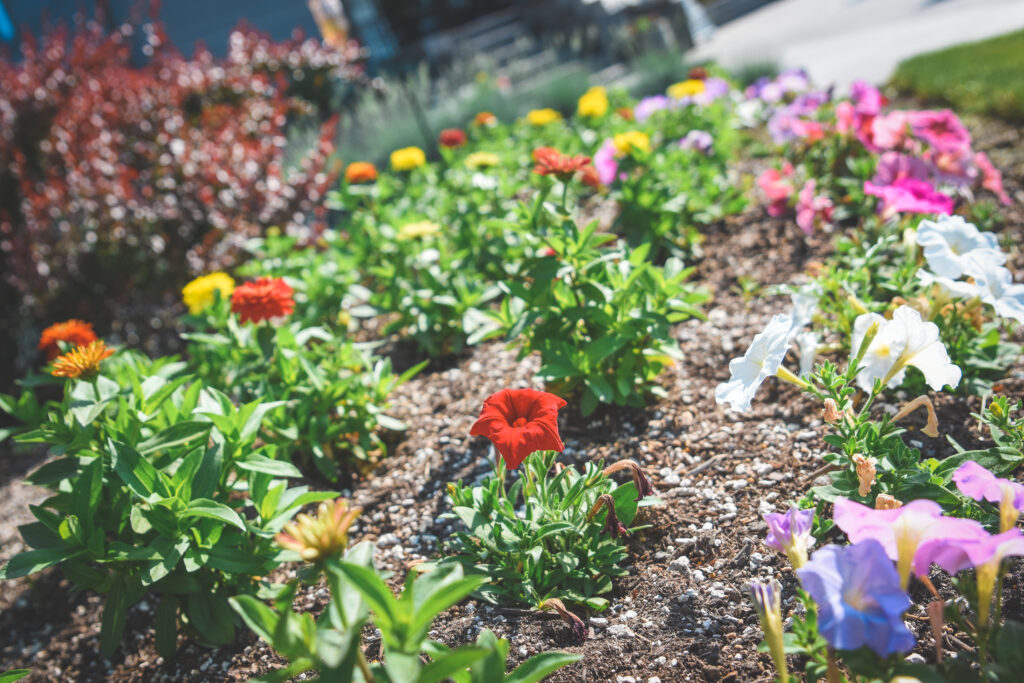
Annual flowers bring vibrant seasonal color. With consistent blooming comes increased nutrient demand. Instead of traditional synthetic fertilizers, try swapping them out for bone meal or blood meal. Are your annuals going to be planted straight in the ground? Consider a soil-first strategy by amending the soil with compost and mycorrhiza. Incorporating compost or organic slow-release fertilizers supports healthy root systems while improving soil structure and microbial life. Healthy Soil:
- Retains moisture more efficiently
- Reduces runoff
- Minimizes the need for frequent feeding
- Supports long-term plant resilience
A thriving soil ecosystem leads to stronger plants and more sustainable summer color.
Keep your annuals happy with intentional watering this year. Install a smart drip irrigation system with soil and weather sensors to ensure your annuals get just enough water to stay happy and thriving.
Try planting some of these warm-weather sustainable annuals. Try heirloom varieties to increase biodiversity in your garden.
- Zinnias
- Marigolds
- Nasturtiums
- Sunflowers
- Cosmos
2. Grow with the Season – Thoughtfully
Warm-season vegetables like tomatoes, peppers, squash, and beans thrive in June heat. To design a more sustainable edible garden:
- Group plants with similar water needs together (hydrozoning)
- Group vegetables with companion plants to naturally support one another. Classic pairings: Squash, Beans, and Corn (Aka the Three Sisters), or Carrots and Onion, or Squash and Nasturtium
- Rotate crops seasonally through your planting beds or annually, depending on your schedule. In other words, rotate your legumes, root crops, leafy greens, and legumes on a 4-year rotation. This gives micronutrients time to regenerate naturally, keeping the soil healthy and reducing the risk of crop-specific diseases spreading.
- Use drip irrigation to reduce water waste
- Add organic mulch to retain moisture and suppress weeds
- Incorporate partial shade structures for leafy greens to reduce bolting
Designing edible spaces intentionally allows them to be productive while conserving resources. Edible gardens are not just practical—they are experiential landscapes that connect people to the rhythms of nature.

3. Add Bold Summer Color – Sustainably
Summer-flowering bulbs like dahlias provide dramatic seasonal impact. When introducing new plant material:
- Select locally adapted or climate-appropriate varieties. Plant disease-resistant varieties.
- Ensure well-drained soil to prevent rotting and reduce water demand
- Stake taller plants early to avoid breakage and replanting
Strategic plant placement—sun exposure, airflow, soil conditions—reduces stress on plants and lowers maintenance inputs.
4. Create Shade and Comfort
Summer is about making the most of your outdoor space. Thoughtful landscape design can make yards cooler and more comfortable.
Consider:
- Planting shade trees in strategic locations
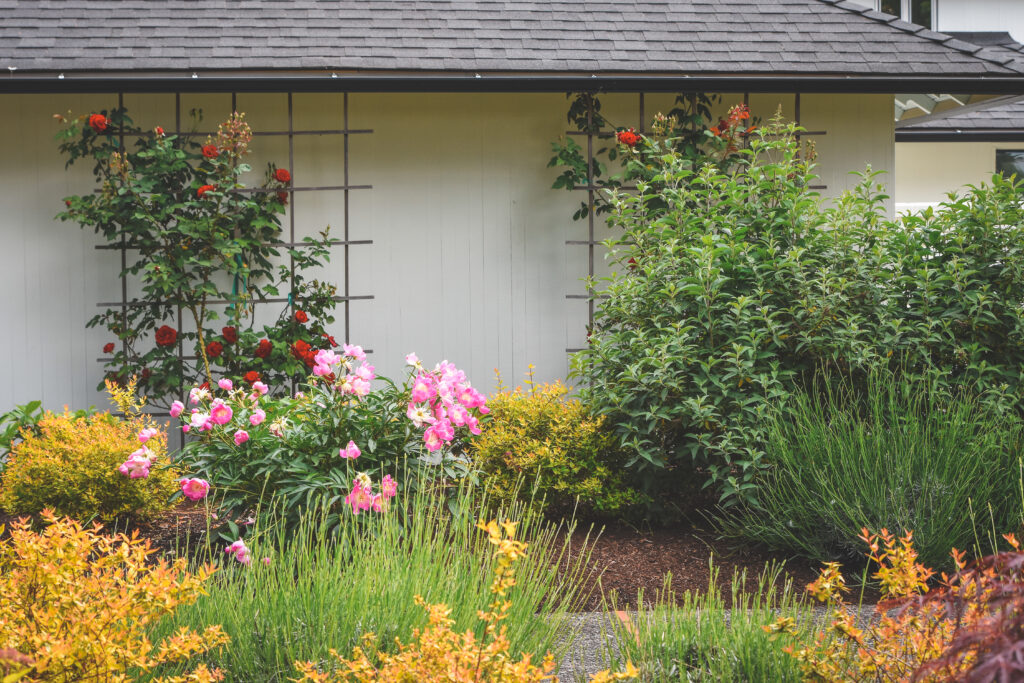
- Adding pergolas or trellises with climbing vines
- Designing outdoor seating areas that capture breezes
- Using layered planting to reduce reflected heat from hard surfaces
Shade reduces cooling costs for your home and creates inviting spaces for gatherings.
5. Prune with Intention
Maintenance isn’t just about keeping things tidy – it’s about guiding growth.
- Prune flowering vines and shrubs after bloom to maintain structure
- Remove dead or crossing branches to improve air circulation
- Allow spring bulb foliage to naturally die back before cutting
Intentional pruning protects plant health and preserves the architectural quality of your landscape.
6. Designing for Summer Resilience
As temperatures rise, sustainable landscapes depend on:
- Proper plant selection
- Efficient irrigation systems
- Soil health
- Strategic shade
- Reduced turf where appropriate
- Native and pollinator-supporting species