
A well-established landscape has strong foundations—mature trees, defined spaces, and healthy soil. Rather than starting from scratch, strategic updates build on what’s already working while addressing areas that may feel outdated, overgrown, or underutilized. These updates can dramatically elevate curb appeal, usability, and long-term value.
Common Landscape Improvements:
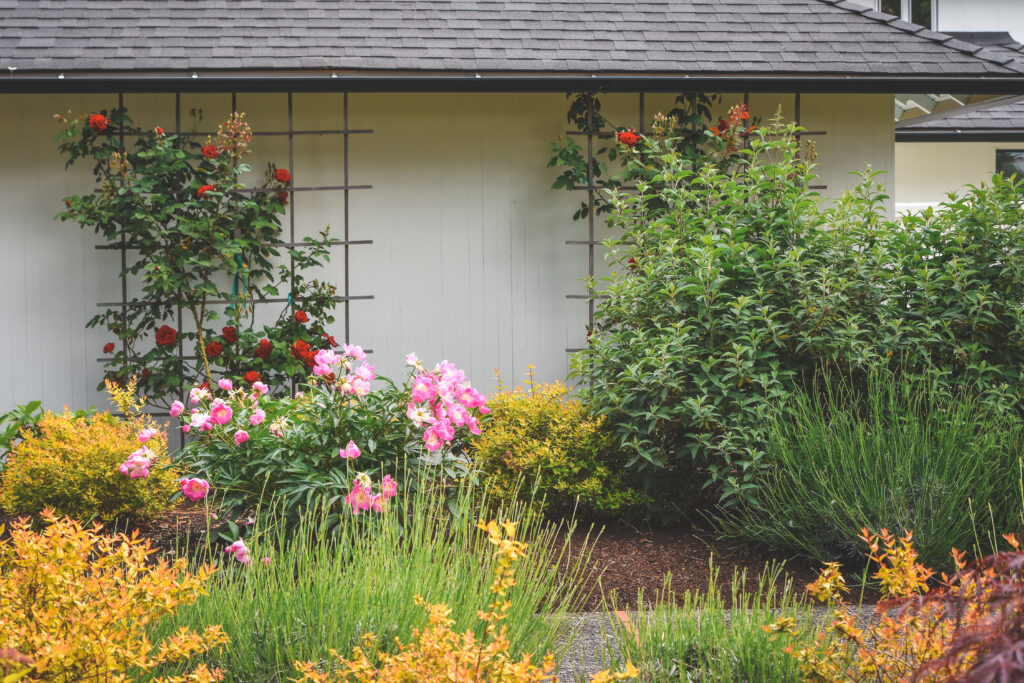
1. Plant Refresh and Rebalancing
Over time, plants mature, shift, or outgrow their intended space. Updating plant material, removing overgrown or diseased shrubs, introducing layered plantings, or incorporating seasonal color can instantly revitalize a landscape while maintaining its original character. In other areas, plants may not have reached their expected size—or may have declined altogether—leaving gaps in the design. These moments present the perfect opportunity to introduce a new favorite plant and thoughtfully refresh the composition.
2. Hardscape Enhancements
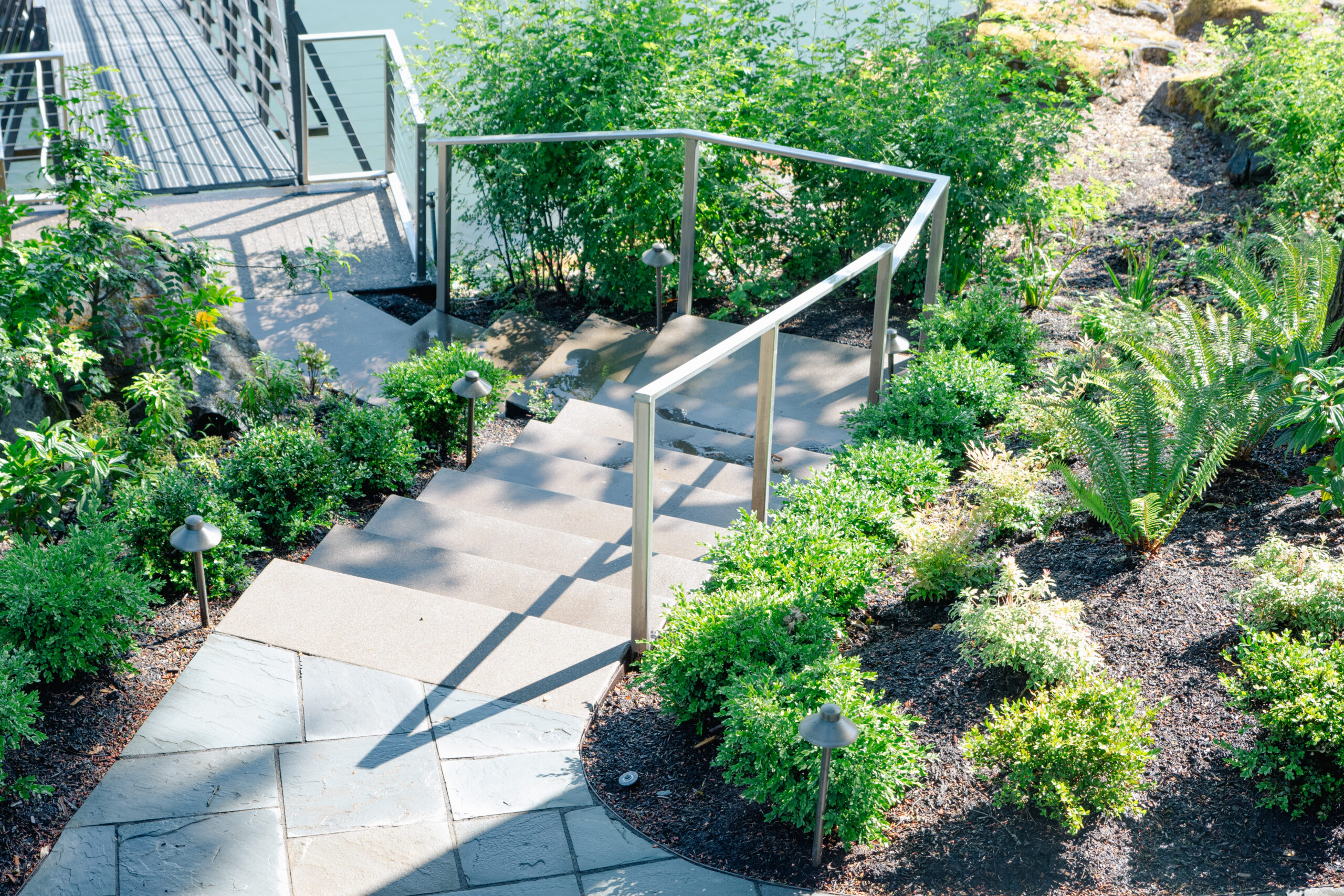
Walkways, patios, retaining walls, and edging often show wear after years of exposure. Repairing, replacing, or upgrading materials can modernize the space and improve safety. At Clement Walsh Landscape Architect, Inc., we help clients evaluate whether restoration or replacement is the right approach. In some cases, existing pavers can be cleaned, repaired, and refreshed. In others, it may be time to explore new materials that better align with your aesthetic goals and long-term performance needs. When selecting hardscape materials, we consider durability, maintenance requirements, cost, environmental impact, and overall design cohesion.
Enhancements can also expand how you use your outdoor space. Enlarging a patio or defining dedicated seating areas can transform underutilized yards into inviting, purposeful spaces for gathering and relaxation. Sustainability plays an important role in material selection. Options to consider include:
- Sustainably sourced local wood for decking and fencing
- Permeable pavers or permeable concrete for patios, walkways, and driveways
- Locally quarried stone for retaining walls and paved surfaces
Thoughtful hardscape updates not only enhance curb appeal, but also contribute to a more resilient, functional, and environmentally responsible landscape.
3. Lighting Upgrades
Landscape lighting not only highlights architectural and planting features but also improves safety and extends outdoor enjoyment into the evening. Replacing outdated fixtures with energy-efficient LED systems creates a refined, polished appearance while reducing energy consumption. Select fixtures that complement your home’s architectural style and direct light intentionally to achieve the desired effect. Thoughtful, restrained lighting enhances beauty and function without contributing to unnecessary light pollution.
4. Irrigation Improvements
Older irrigation systems often waste water or deliver uneven coverage, which can stress plants and increase utility costs. Upgrading to smart controllers and efficient drip irrigation systems improves plant health while significantly reducing water use. It’s also important to revisit controller schedules to ensure mature plantings receive the appropriate amount of water, as their needs change over time.
In some cases, tree roots may have infiltrated irrigation lines, or sprinkler heads may have been damaged by soil movement, digging, or routine yard maintenance. Inspecting flow rates and evaluating the system as a whole helps identify these issues early. A thorough check ensures the irrigation system is operating efficiently and performing at its full potential.
5. Outdoor Living Additions
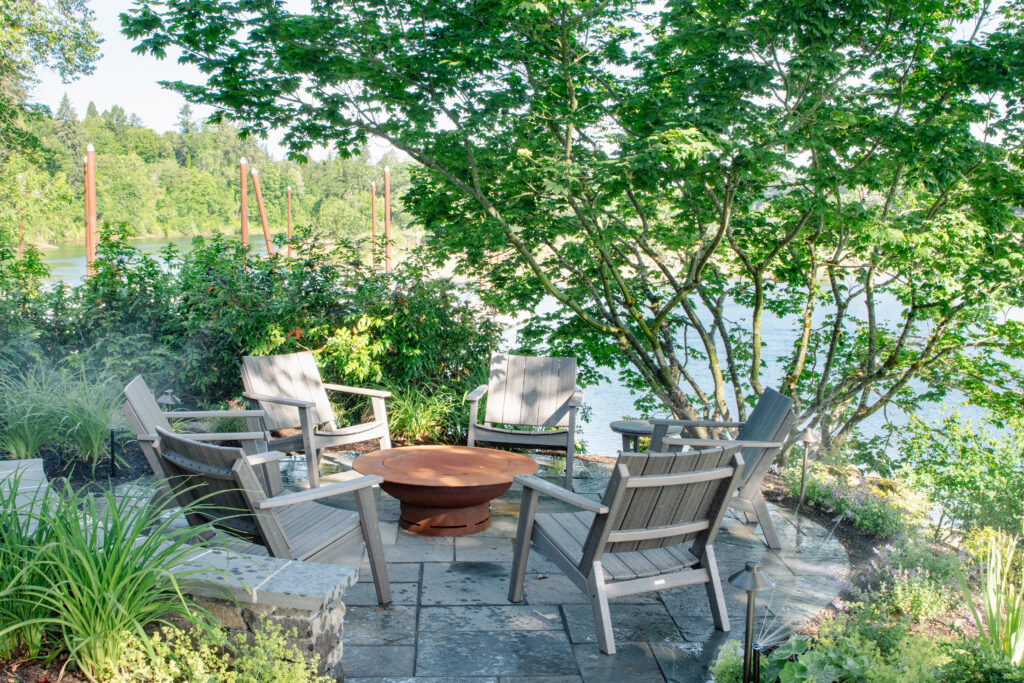
Adding fire features, pergolas, built-in seating, or outdoor kitchens can transform an underused yard into a dynamic extension of the home. When thoughtfully designed, these elements should feel seamlessly integrated with the existing landscape—respecting circulation patterns, views, and the architectural language of the house, as well as surrounding landscape features such as hillsides, water features, and trees. When designed well, these features can not only lead to years of enjoyment and memorable days for you and your family but also increase the long-term resale value of your home.
5. Playful Additions
Swapping out downspouts for rain chains can be a fun way to celebrate and enjoy rainstorms. Here in Portland, we have such stark seasonal differences between our arid summers and inundated winters that it’s easy to forget the joy rain can bring. Rain chains are functional, sustainable, and beautiful. They still direct rainwater, but unlike conventional downspouts, they slow roof runoff so it can more easily infiltrate the soil and not immediately flow into our stormwater sewer systems, thereby replenishing aquifers. They do all that while also providing a musically unique, architecturally distinctive addition to homes. They look great in summer, dry, and come to life during rainstorms. There are a myriad of ways to collect or direct the stormwater after it exits your rain chain. Thoughtfully integrated into a broader stormwater strategy, rain chains can transform a simple functional element into a beautiful, sensory feature that connects your home more meaningfully to the rhythms of the seasons.
5. Preserving Character While Enhancing Performance
The goal of improving an existing landscape isn’t to erase its history—it’s to enhance what makes it special. Mature trees, established garden beds, and original stonework often provide a sense of permanence and place. Thoughtful updates respect these elements while bringing new life and functionality to the space.
With careful planning and design, even modest improvements can have a significant impact. By assessing what’s working, identifying opportunities for enhancement, and implementing strategic updates, your existing landscape can continue to grow and evolve—beautifully and sustainably—for years to come!